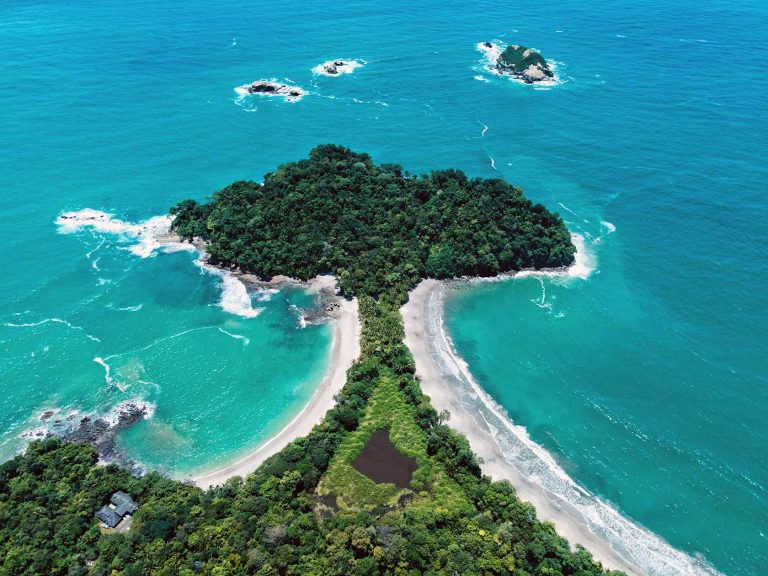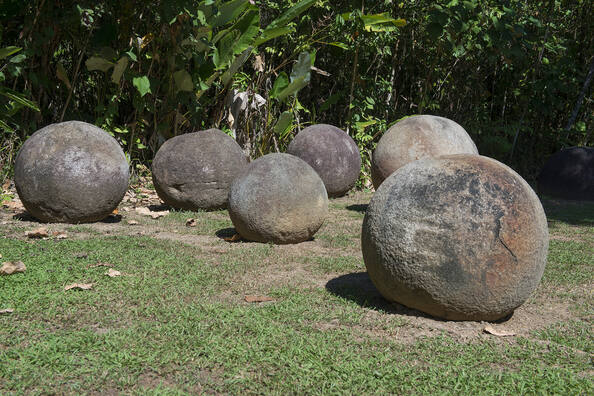

Nestled in the lush landscapes of Costa Rica, the small island of Isla del Caño and the Diquís Delta hold secrets of an ancient civilization known as the Diquís culture. This now extinct culture left behind over 300 enigmatic stone spheres, commonly referred to as the Diquís Spheres, which are a testament to their advanced societal, economic, and political development.
The Emergence of the Diquís Culture
The Diquís culture flourished in the Valley of the Rio Grande de Térraba, crafting a complex society that began to take shape during the Synancra period around 1500 – 300 BC. These early communities were sedentary, small, and dispersed farming groups that likely operated under an egalitarian system with tribal organization. As time progressed into the Aguas Buenas period (300 BC – AD 800), these settlements evolved into structured chiefdoms, ruling over designated territories and engaging in expansive trade networks. This era marked the emergence of sculptured stone work, including the first creations of cylindrical stones, “barrels,” and, notably, the spheres.
The Cultural Apex
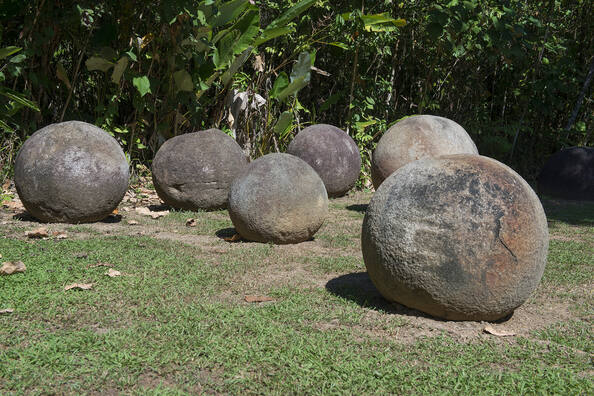
Reaching their zenith between AD 800 and 1500 during the Chiriquí Period, the Diquís culture saw significant expansion. Large communities thrived around the fertile alluvial lands of the Térraba River, constructing impressive structures with round-edged boulders, and developing sophisticated burial sites and ceremonial plazas. It was during this period that the craftsmanship of the Diquís artisans peaked, evident in their elaborate works in ceramics, bone, gold, and stone.
The stone spheres, which varied in size from a few centimeters to over 2 meters in diameter, were masterfully crafted from gabbro—a coarse-grained mafic rock similar to basalt—and occasionally from limestone and sandstone. These spheres were initially rough-hewn using denser rocks and were subsequently polished to perfection using sand. These magnificent spheres were strategically placed, often in alignments within public plazas or along pathways leading to the residences of the elite or chieftains, signifying their cultural and possibly spiritual significance.
The Lost Legacy and Rediscovery
The arrival of the Spanish in the sixteenth century coincided with the decline of the Diquís, who had either abandoned their settlements or succumbed to diseases introduced by the Europeans, as suggested by the absence of any mention of large stone spheres in the contemporary accounts of European explorers. This mysterious decline was further echoed by Perafán de Ribera’s 1570 expedition, which found no traces of these once-great indigenous communities.
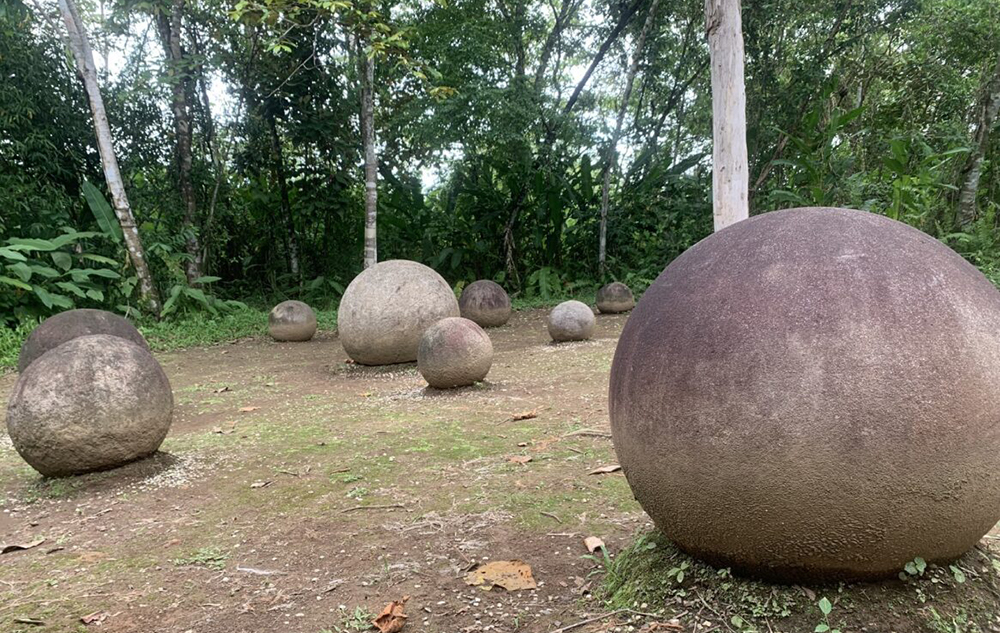
The spheres lay forgotten until the 1930s when they were rediscovered by workers of the United Fruit Company, who stumbled upon them while clearing the jungle for banana plantations. This rediscovery brought the spheres back into the spotlight, prompting both archaeological interest and general curiosity.
Today, the Diquís Spheres serve as a fascinating reminder of Costa Rica’s rich pre-Columbian heritage. They offer a glimpse into the artistic and societal accomplishments of an ancient people whose legacy continues to intrigue historians, archaeologists, and travelers from around the world. The preservation and study of these artifacts continue, as does the awe they inspire among those who come to witness these monumental remnants of human ingenuity.